
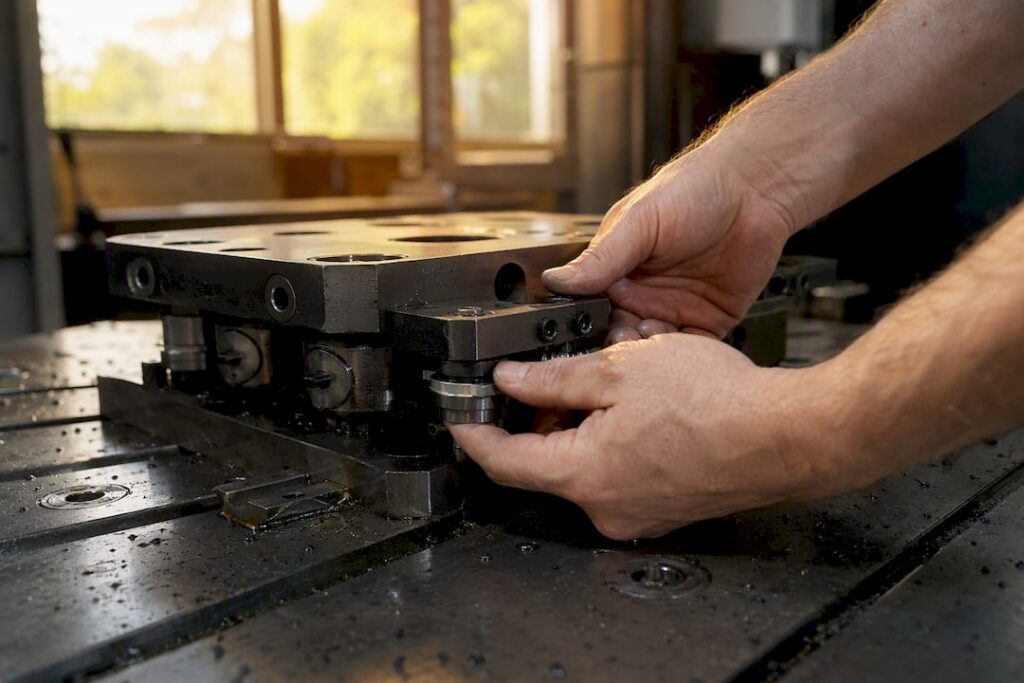
Zero-point fixturing uses locating and clamping interfaces to exchange fixtures or pallets. Setup time and repeatability depend on the system, installation, cleanliness, loading and application. Verify the supplier’s figures under defined conditions and check the complete workholding arrangement.
This guide breaks down how the hardware works, what specs actually matter, and how Anderson Group Australia builds zero-point compatible platforms, including auto pallet changers, into its CNC range.
-
Setup time: measure the complete changeover, including cleaning, loading and verification.
-
Repeatability: use the specified system value and confirm it in the actual installation.
-
Works across milling, EDM, CMM inspection, and automated cells
A fixture exchange may shorten alignment work, but the saving must be measured against the current method and required checks.
TL;DR:
Zero point fixturing can reduce setup times by up to 90 percent, saving significant spindle hours on high-frequency changeover jobs.
Maintaining cleanliness and inspecting tapers weekly are crucial for preserving the system’s repeatability, which typically remains around 0.005 mm.
Selecting the right interface size and clamping force, along with sealing and anti-twist features, directly impacts fixture accuracy and safety.
Standardizing the mounting grid across machines enables pallets to transfer between equipment without re-fixturing, enhancing workflow efficiency.
Anderson Group integrates factory-built zero-point systems into their CNC platforms, providing reliable, ready-to-use solutions for various manufacturing needs.
Table of Contents
-
Benefits and measurable performance: setup time, repeatability, and ROI
-
Rolling out zero point fixturing without disrupting production
-
How Anderson Group integrates zero point fixturing on industrial machines
-
Get your machines audited for zero point fixturing readiness
What is zero point clamping and what forms does it take?
Zero point clamping standardises the mounting interface between a machine table and whatever sits on top of it, whether that’s a vise, a fixture plate, or a pallet. The system has two halves: a receiver (or “module”) permanently fixed to the table, spindle, or rotary axis, and a stud or pin fixed to the underside of the fixture. Drop the stud into the receiver, and a mechanical or pneumatic action locks it into a repeatable position.
Three variants dominate the shop floor. Pallet-style systems carry the workpiece fixture on a removable pallet that docks into the receiver, ideal for automated pallet changers. Single-station modules bolt directly to a table in a grid pattern, suited to smaller shops running one job at a time. Integrated rotary-table receivers build the interface straight into a 4th or 5th-axis trunnion, useful where multi-sided access matters more than rapid swapping.
-
Pallet-style: best for APC-fed production and lights-out runs
-
Single-station modules: best for job shops with frequent, varied setups
-
Rotary-integrated receivers: best for 5-axis work needing multi-face access
Terminology varies between vendors, but the underlying geometry is consistent enough that most modules from different suppliers share a similar footprint logic.
How the locating and locking mechanism actually works
A zero-point system relies on the same locating logic every machinist learns early: one primary datum pin fixes X and Y position, a second pin controls rotation, and any additional pins are there purely for clamping force, not location. Over-constrain the fixture with multiple locating pins fighting for the same job, and you introduce stress and inconsistent seating rather than precision.
-
The fixture stud enters the receiver and contacts a taper or flange seat that centres it mechanically.
-
A spring-loaded mechanism pulls the stud fully home, generating clamping force without external power in most designs.
-
Release happens via pneumatic or hydraulic pressure that overcomes the spring, letting the fixture lift free.
-
Presence sensors confirm full seating before the spindle is allowed to run, which matters most in robot-loaded or unattended cells.
Some systems use a patented taper-and-flange connection that claims sub-0.0001-inch theoretical repeatability under controlled conditions, though installed accuracy always depends on cleanliness and pin condition. Spring-closed designs are common because they fail safe. If air or hydraulic pressure drops, the clamp stays locked rather than releasing mid-cycle.
Pro Tip: Never rely on visual confirmation alone for automated cells. A stud that looks seated can still be sitting on a chip fragment, and that’s the single most common cause of a “random” offset error on a Monday morning.
Benefits and measurable performance: setup time, repeatability, and ROI
The changeover time reduction is the number that gets attention, but the annual math is what justifies the spend. If a shop runs 15 changeovers a day and cuts 20 minutes off each one, that’s five hours of spindle time recovered daily, or roughly 1,300 hours a year on a single machine running two shifts.
Repeatability figures back the time savings up with actual precision. Standard modules hold around 0.005 mm, while premium options push down to 0.0025 mm or tighter. Real-world numbers slip when contamination, worn tapers, or damaged seals enter the picture, which is why maintenance discipline matters as much as the spec sheet.
-
Standard modules: approximately 0.005 mm typical repeatability
-
Premium modules: approximately 0.0025 mm or better under clean conditions
-
Fastest payback: high-mix, low-volume shops with frequent changeovers
Calculate the investment case using measured changeover savings, utilisation, system cost, installation and maintenance. Do not assume a fixed payback period.
Specs that actually matter when choosing modules
Interface size is the first decision, and it’s worth locking in a single grid standard across the shop if you can. Standardising the interface lets pallets move between mills, EDM machines, and CMMs without re-fixturing, which is where a lot of the real time saving hides.
Pull-in and holding force need to match your worst-case cutting load, not your average job. A heavy fixture with a long overhang under aggressive milling loads needs more clamping force than a light finishing setup, and vendor specifications for clamping force range from moderate to tens of kN depending on the module size.
-
Sealing and chip protection: a sealed seat with integrated air-blast prevents chip-induced offset errors
-
Anti-twist features: prevent rotational slip under torque-heavy operations
-
Presence monitoring: essential for robot-loaded or unattended cells
-
Build height: taller modules eat into available Z travel, a real constraint on smaller machines
Rolling out zero point fixturing without disrupting production
Start with an audit, not a purchase order. Identify the jobs with the highest changeover frequency and the worst manual alignment pain, and pick one or two machines for the first rollout rather than converting the whole floor at once.
-
Audit changeover frequency and select pilot machines with the clearest time-saving case.
-
Standardise on one interface grid size, then install base plates or modules on the chosen machines.
-
Retrofit studs to existing pallets and fixtures rather than rebuilding them from scratch where possible.
-
Preset work offsets offline on a tool presetter, then run a repeated-mount study, ten to twenty cycles, to confirm repeatability before scaling.
-
For automated cells, confirm pneumatic supply capacity, wire in seat-presence monitoring, and check APC and CMM integration points before going live.
Pro Tip: Run the repeated-mount study with the same operator loading and unloading every cycle. Variation between operators shows up in the data faster than variation in the hardware itself.
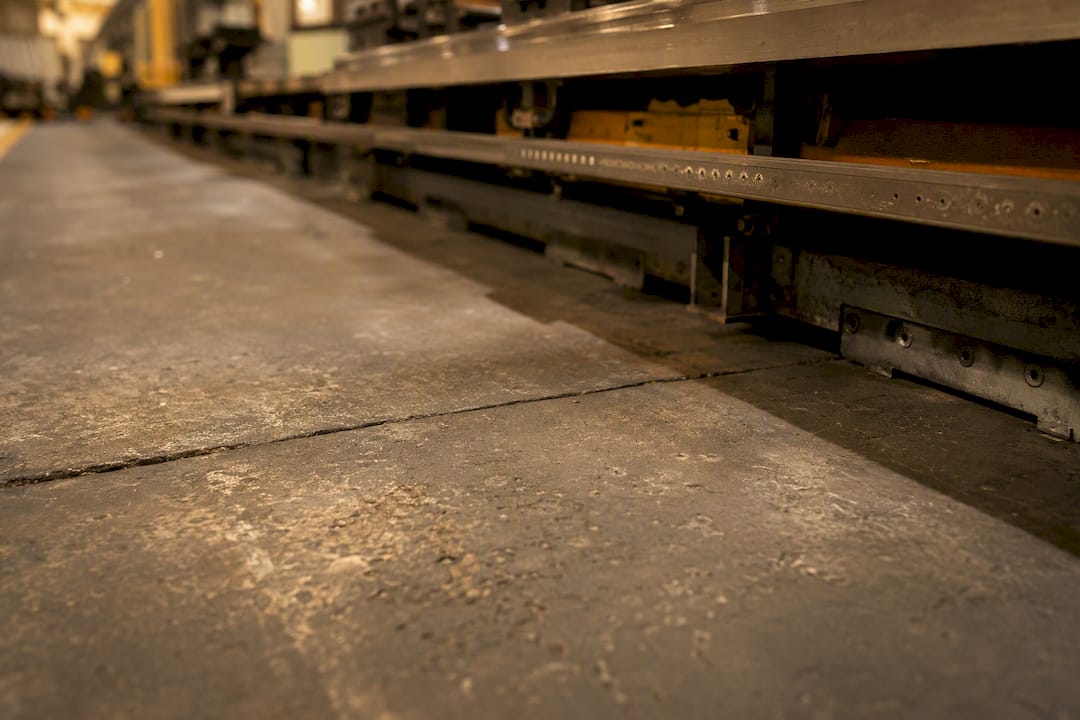
If you’re planning a wider pallet transfer line or a new APC installation, factory floor tolerances matter more than most shops expect. Uneven flooring under a long pallet track can introduce alignment drift that no amount of module precision will fix, so it’s worth checking floor flatness and levelness specifications before the installation, not after.
Maintenance and troubleshooting for long-term accuracy
Daily cleaning is non-negotiable. A blast of compressed air across the receiver seat before every fixture change removes the chips and swarf that cause the majority of seating faults, and it takes seconds.
-
Inspect locating tapers weekly for wear, chipping, or galling on high-cycle machines.
-
Check seal condition on pneumatic or hydraulic release mechanisms and replace before they fail, not after.
-
Treat missing seat confirmation on automated cells as an immediate stop condition, never a nuisance alarm.
Because a single trapped chip on a locating taper can throw repeatability out by several thousandths, offset drift is almost always a cleanliness or wear issue rather than a programming fault. When drift appears, re-run a repeated-mount study before touching any offsets in the control.
How Anderson Group integrates zero point fixturing on industrial machines
Anderson builds zero-point compatibility into several machine platforms rather than treating it as an aftermarket bolt-on. The APC with Zero-Point System pairs an automatic pallet changer with a standardised receiver interface, letting fixtures dock and release without manual alignment between cycles. The AXXIOM 5-axis series and the enclosed MASS-B both suit shops running larger or heavier fixtures where clamping force and build height need careful matching to the job.
-
APC platforms suit high-mix production runs where pallets cycle constantly
-
5-axis platforms suit complex parts needing multi-face access without re-fixturing
-
Larger enclosed platforms suit heavier fixtures and higher cutting loads
Standardising the mounting interface across a shop’s machining and inspection equipment is what turns a fast fixture swap into a genuine production advantage, because the same pallet can move from mill to CMM without losing its datum.
Fast fact: Shops that align pallet interfaces across machining and inspection stations report improved workflow because parts can move between processes without re-fixturing.
If you’re weighing up a retrofit or a new platform, Anderson’s team can walk through a site audit and map which machines in your fleet suit a zero-point rollout first.
Key takeaways
Zero point fixturing works because standardising the mount interface removes manual alignment steps that cause both wasted time and inconsistent accuracy.
| Point | Details |
|---|---|
| Setup time savings | Expect up to 90% reduction in changeover time versus manual alignment methods. |
| Repeatability bands | Standard modules typically hold 0.005 mm; premium modules reach 0.0025 mm or tighter. |
| Cleanliness is critical | A single trapped chip on a locating taper can destroy repeatability regardless of module quality. |
| Standardise the interface | One grid size across machining and inspection lets pallets move without re-fixturing. |
| Anderson’s integration | Anderson builds zero-point compatible APC and 5-axis platforms suited to high-mix and heavy-fixture production. |
What machinists get wrong about zero point fixturing
The conventional pitch on zero point fixturing leans too hard on the setup-time number and skips the part that actually determines whether a shop keeps that number six months in. Setup time is the easy win. Repeatability under real shop conditions, chips, coolant residue, operator variation, is the number that separates a system paying for itself and one quietly drifting out of tolerance while nobody notices until a part gets scrapped.
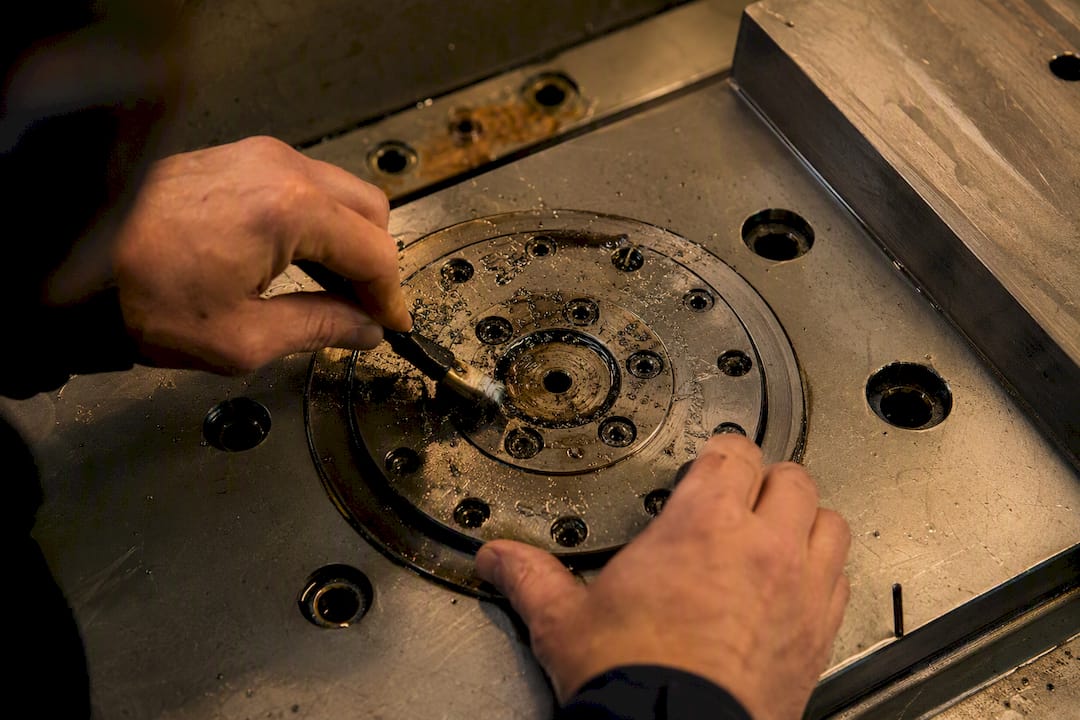
Where most advice falls short is treating module selection as the whole decision. The interface grid, the pull-in force, and the sealing spec matter, but the daily air-blast habit and the weekly taper inspection matter just as much, and they cost nothing beyond discipline. Shops that skip maintenance routines lose the repeatability advantage within months, then blame the hardware.
If you’re prioritising, start with the audit. Pick the jobs bleeding the most changeover time, standardise on one interface size, and build the cleaning habit into the process from day one rather than bolting it on later. The hardware is the easy part. The habit is what keeps it accurate.
Get your machines audited for zero point fixturing readiness
Ask Anderson Australia about zero-point and pallet options on the exact machine. Confirm the interface, load limits, installation requirements and repeatability before selecting the workholding system.
That means no guesswork about whether your table casting can handle the clamping loads, and no separate vendor to chase when something needs recalibrating. Whether you’re running furniture production, automotive components, or aerospace parts, Anderson’s range across woodworking and metalworking machinery covers the fixturing needs of each. Get in touch with Anderson to arrange a site audit and find out which platform fits your changeover volume.
Sources
-
Zero Point Workholding: Faster Changeovers, Repeatable Results | Modern Machine Shop
-
Zero Point Clamping Systems: Pallet-Style Fixturing for Minute-Level Setups
-
Zero Point Clamping – Reduce Fixture Setup Time By 90% Switch to ROEMHELD – Römheld